Tag Archives: Brasil

An Ode to the Jabuticaba

4 Nov

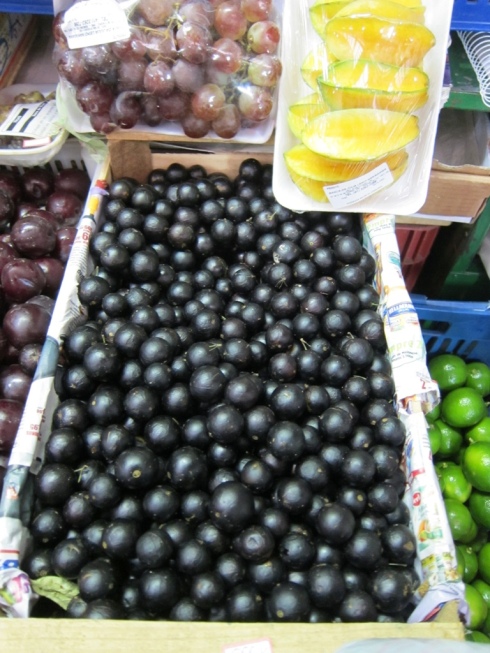
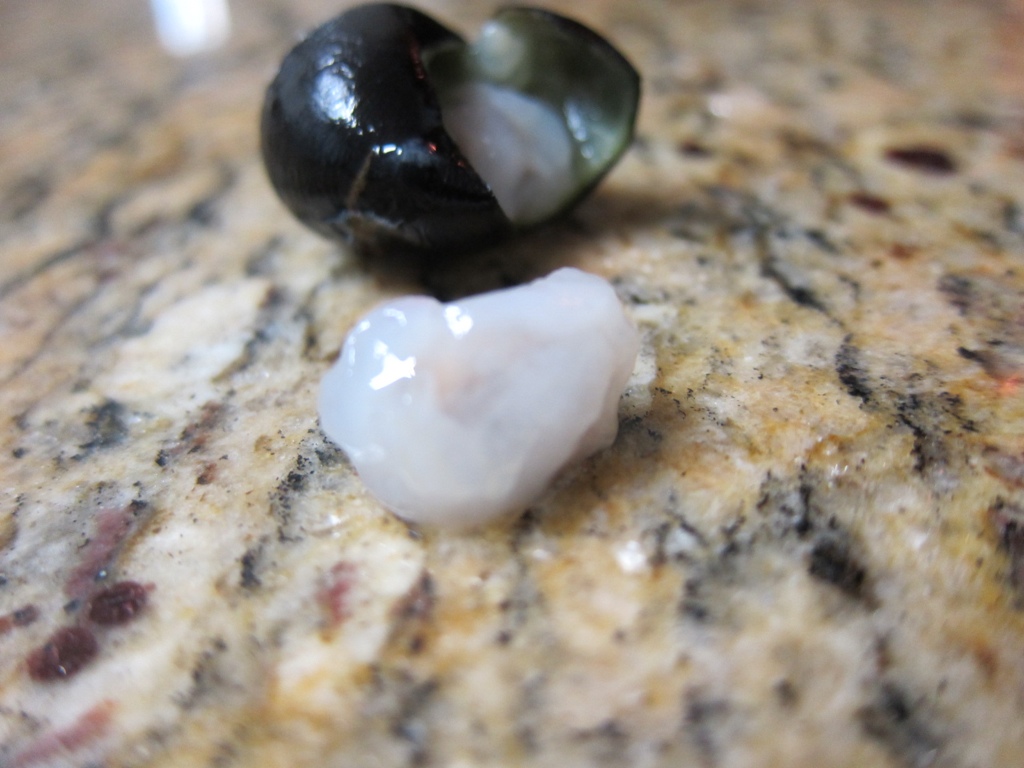
Jabuticaba is one of my favorite fruits, the crunchy sound it makes when you bite into it, and its sweet pulp are incomparable to any other fruit I tasted before.

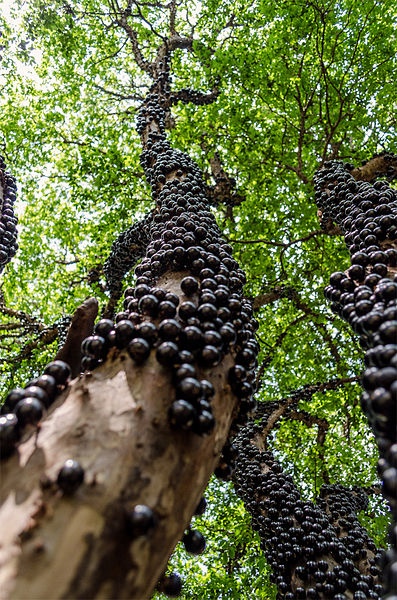
Jabuticaba (Myrciaria cauliflora) is pronounced [ʒabutʃiˈkabɐ]. It is also called Brazilian Grape Tree, Jaboticaba, Jabotica, Guaperu, Guapuru, Hivapuru, Sabará and Ybapuru. The fruits stick out on the trunk and branches of the Jabuticabeira (jabuticaba tree), and belongs to the Myrtaceae family.

It is native to Brazil and its fruits flourish usually once a year.

The name jabuticaba, derives from the indigenous tribe Tupi word Jabuti – which means tortoise + Caba – which means place, due to the fruit’s resemblance to tortoises.

Jabuticaba is usually eaten raw, and it has a sweet pulp. Its seeds can be swallowed, but some people like to suck its pulp and remove the seeds. It is usually used to make jams, sauces, liquor and wine.

Jabuticaba has many nutritional properties such as iron, vitamin C, phosphorus, niacin, pectin and anthocyanin. It has also been used as astringent, in skins treatment for hemoptysis, asthma, diarrhea, and gargled for chronic inflammation of the tonsils and throat.

20121101-150013.jpgn

20121101-150105.jpg

20121101-150144.jpg

20121101-150219.jpg

20121101-150248.jpg

20121101-150316.jpg

Here is a picture of the Jabuticabeira – the Jabuticaba tree – that I found on Wikipedia, the photographer is Bruno.karklis
20121105-013503.jpg

Pitanga

26 Oct

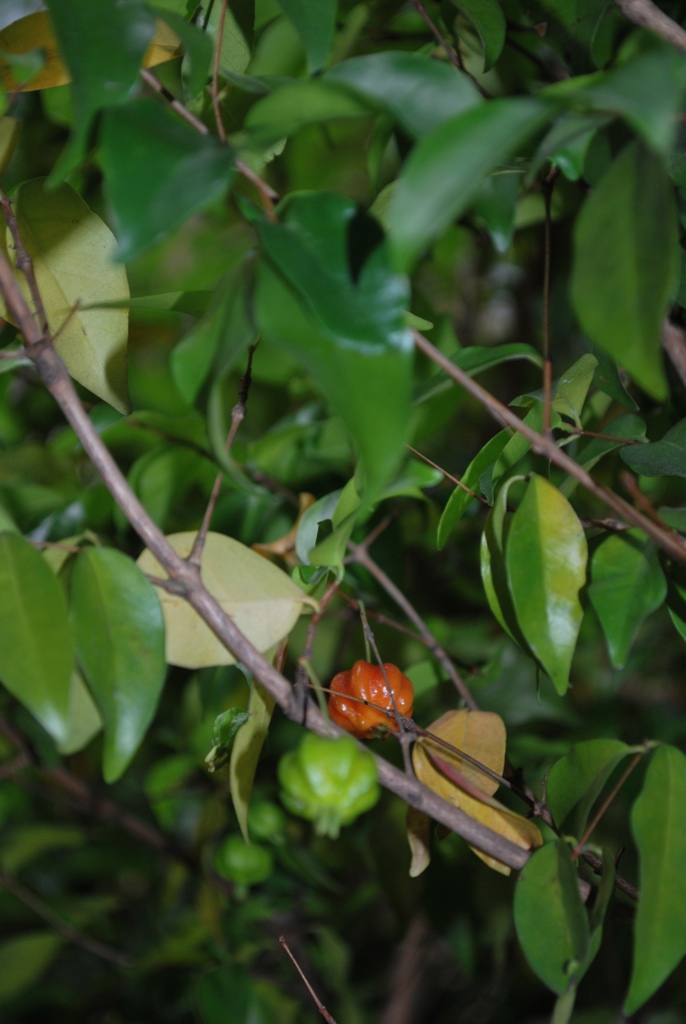
The word “pitanga” comes from the indigenous tribe Tupi’s language- pi’tãg, which means the color red. It is also known as brazilian cherry ou surinam cherry.

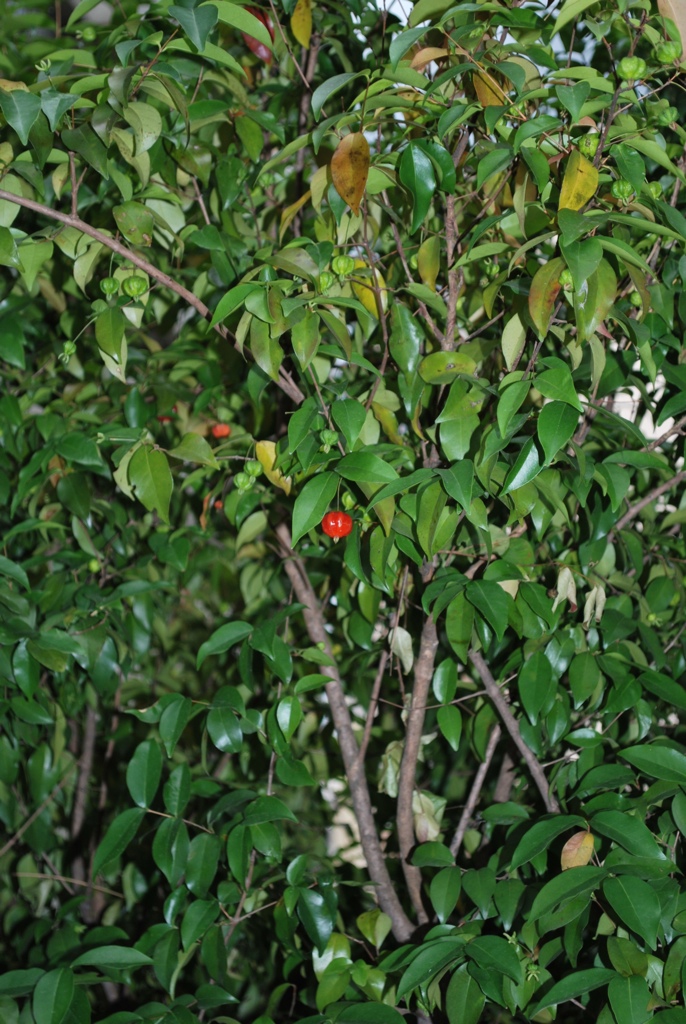
Native to Brazil, it is rarely found in grocery stores or supermakets due to its very fragile texture. However, it is easily foundon backyards everywhere, and even on the streets. I remember my grandma had a Pitangueira (pitanga tree) on her backyard and I loved to climb it and eat the berries straight from the tree. Birds love them too.

Once picked, it has to be shortly eaten, or prepared because it starts fermenting very rapidly. It is very versatile and can be processed into a pulp and frozen or used to make jam, sauces, ice cream, mousses, juice, among other things. Pitanga is very rich in vitamin A.

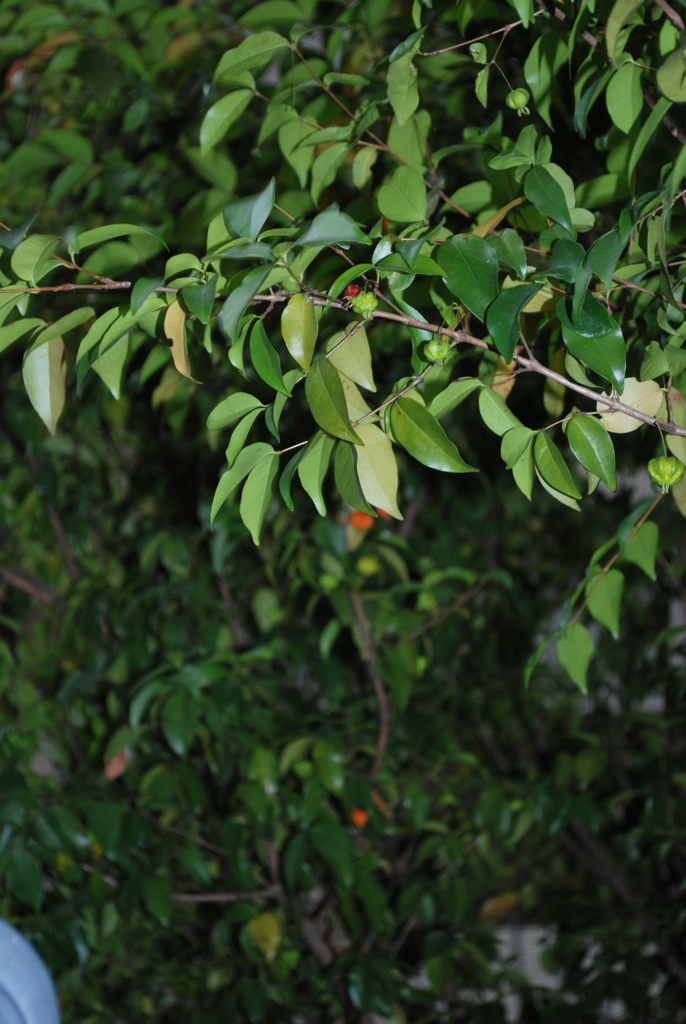
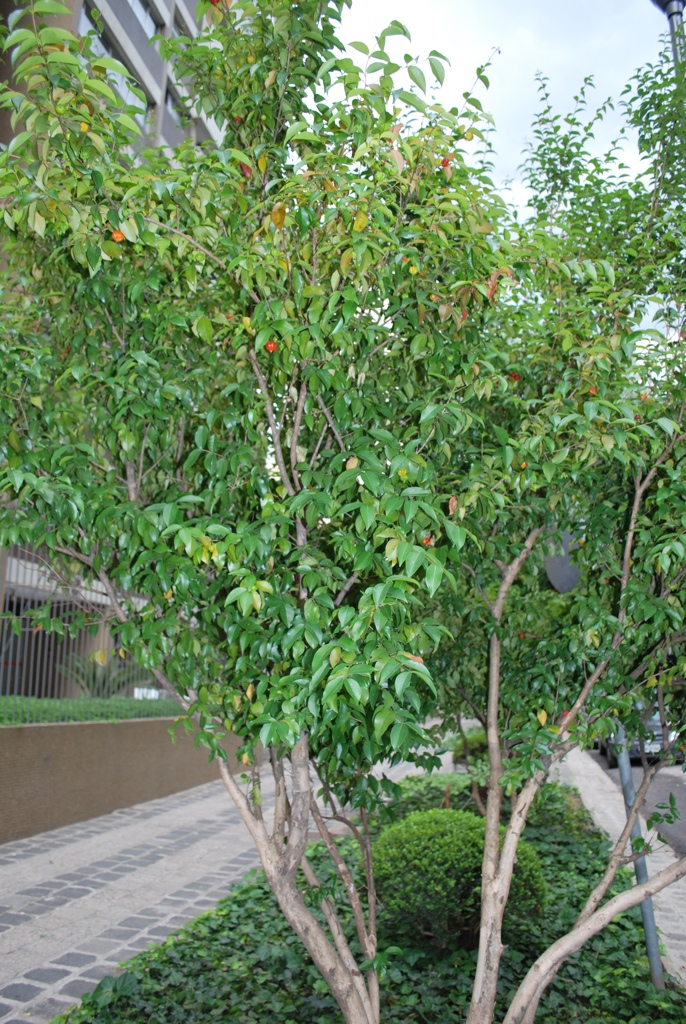
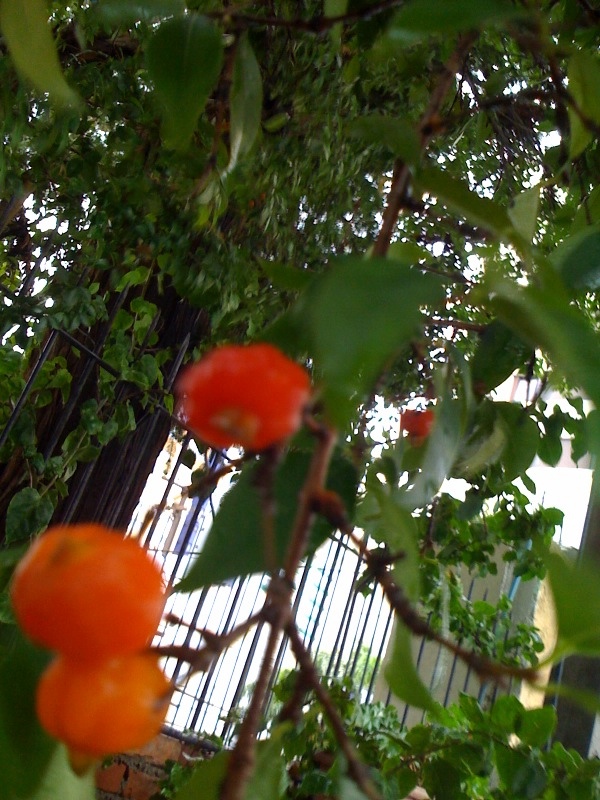
Now is Spring in Brazil,and I am delighted to find them everywhere. The small tree in one of the photos is located right in front of my grandma’s apartment building, and the bigger tree is right outside the bakery by my parent’s home. Amazing!

20121024-015538.jpg

20121024-015328.jpg

20121024-015736.jpg

20121024-015901.jpg

20121024-015432.jpg

20121024-020234.jpg

20121024-020352.jpg

20121027-023458.jpg

20121027-023524.jpg

20121027-023541.jpg